Glasses That Whisper to You What Everyone Is Feeling
For one little boy, faces were hard to read. Then AI started adding subtitles.
For one little boy, faces were hard to read. Then AI started adding subtitles.
Alex Didn’t Like Looking at Faces
Alex was 9 years old, and looking people in the face could feel overwhelming. His mother, Donji Cullenbine, tried encouraging him and noticed the small victories whenever he looked at her more often.
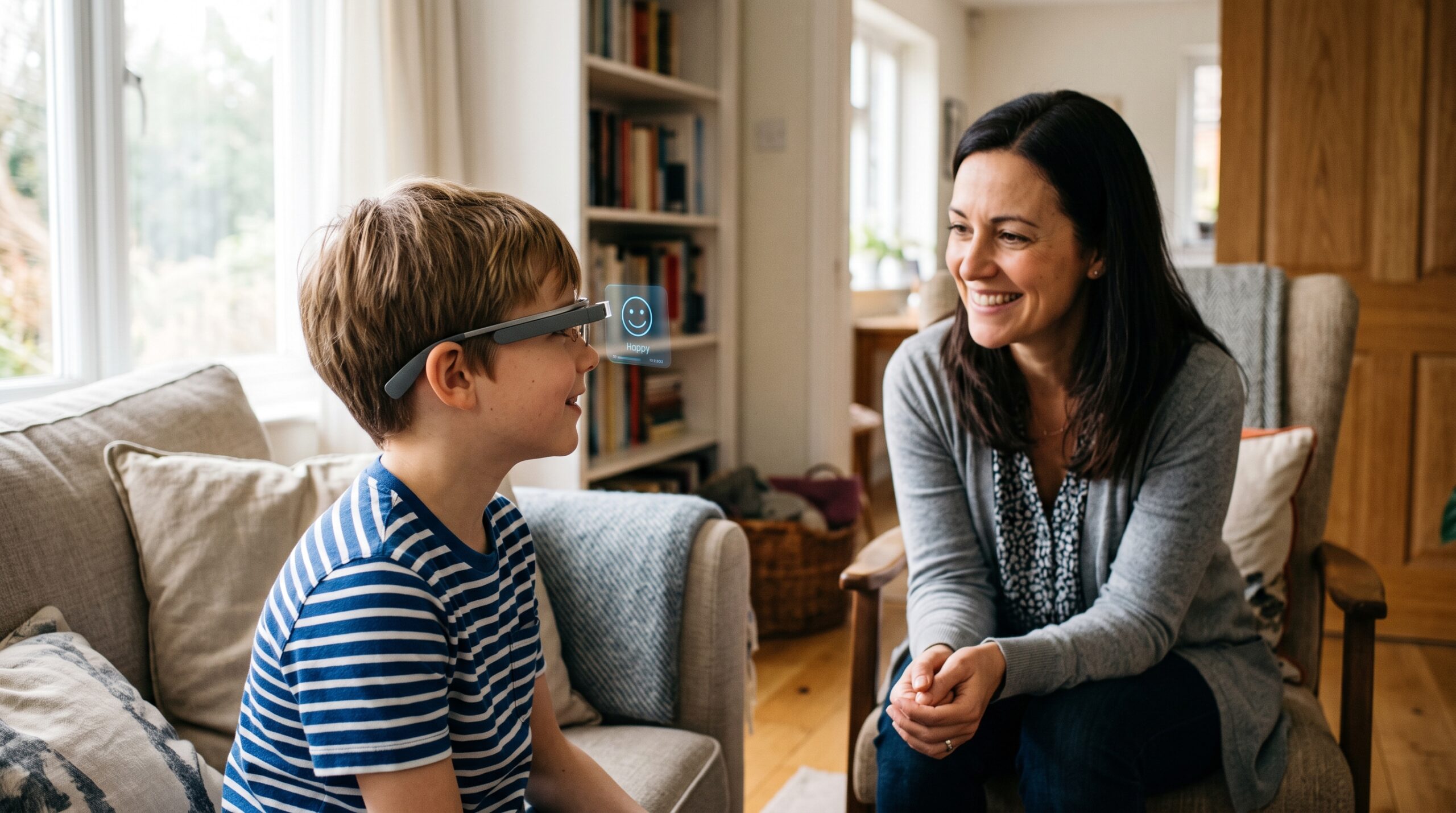
Then Stanford researchers gave Alex a strange pair of glasses. They looked like Google Glass, but they were connected to AI that could watch the face in front of him and guess the expression: happy, sad, angry, scared or surprised.
The glasses could quietly give Alex a clue through a tiny screen or speaker. For the first time, a face wasn’t just something confusing. It came with a hint.
They Called It Superpower Glass
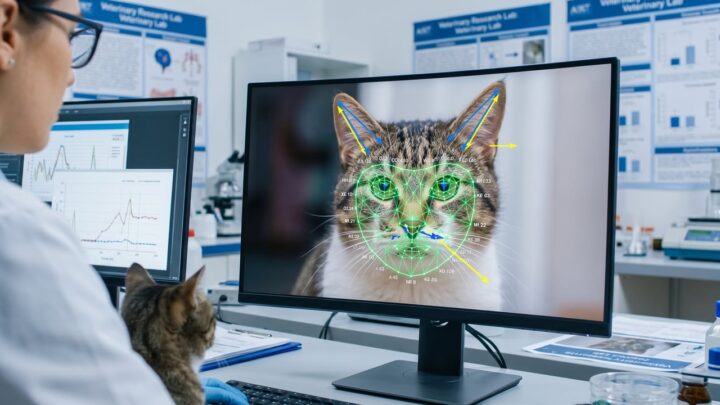
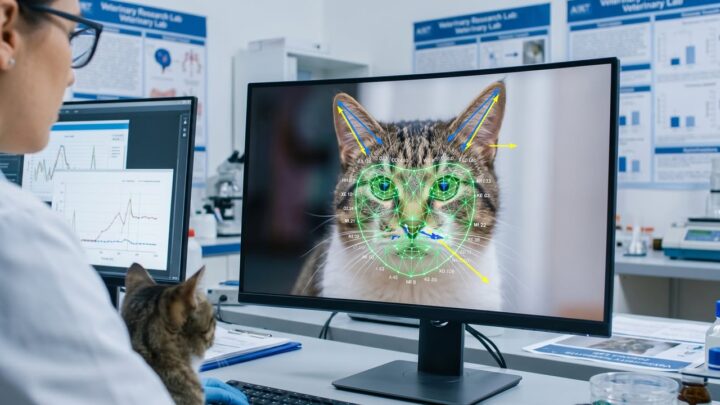
Stanford built the system for children with autism who had trouble reading facial expressions. The idea was simple: a tiny camera watched the person the child was looking at, AI studied the face and tried to recognize the expression, then the glasses showed or spoke a simple label.
The machine wasn’t really reading minds. It was helping the child notice what the face might be saying.
For someone who reads expressions naturally, that may sound small. For someone who doesn’t, it can change the whole conversation.
Everyone Else Already Had the Subtitles
Most of us don’t think about how much we read from faces. A friend smiles differently than usual and you know something is off. Someone rolls their eyes and the meaning is obvious. A parent gives you one look and you immediately understand.
We learn this so early that it feels automatic, but for some autistic children it isn’t. A therapist can show pictures of happy and angry faces, but real life moves faster than a flash card. People talk, turn away, change expressions and hide what they’re feeling.
That was why the glasses mattered. They could bring the lesson into normal life, whether Alex was eating dinner, playing or simply talking to his mother.
Then It Became a Game
The researchers built simple games around the glasses. A parent would make an expression and the child would guess the emotion. In another game, the child tried to make someone smile.
Alex wanted to get the answers right, and that changed something. Instead of looking at faces because adults told him he should, he had a reason to look. The face contained the answer, and the glasses helped him find it.
Then Alex Said Something His Mother Never Forgot
After a few weeks, Alex began paying more attention to people’s expressions. Then one day he told his mother, “Mommy, I can read minds!”
His mother later said her heart sang.
Of course, Alex couldn’t actually read minds, but from his point of view something had changed. Faces that had once felt confusing were starting to make sense.
That was the real goal. The glasses weren’t meant to become permanent subtitles. They were training wheels.
Other Families Started Seeing Changes Too
Alex wasn’t the only child who tried the system. In an early Stanford study, 14 families used the glasses at home for several weeks, and most parents said their children were making more eye contact afterward.
That first study was small, so researchers followed it with a larger test involving 71 children with autism. Some received their normal therapy, while others received normal therapy plus the glasses.
After six weeks, the children using the glasses showed better results on one major measure of social skills. The technology wasn’t performing magic, but it was doing enough to suggest that the idea was real.
The Strange Part Is What the AI Was Trying to Do
We usually worry that technology pulls people away from each other. Phones interrupt dinner, screens replace conversation and kids stare down instead of looking up.
These glasses were trying to do the opposite. They encouraged the child to look at the person, notice the smile or frown and pay attention to what had changed.
The AI wasn’t replacing human contact. It was pointing toward it.
Then the Idea Gets Bigger
Once AI can recognize expressions quickly enough to give someone a clue in real time, the idea doesn’t have to stop with autism.
Future smart glasses could quietly tell someone that a person looks confused during a presentation. They could help someone who struggles to read expressions notice that the person in front of them seems upset, or even spot small changes in a loved one’s face that might otherwise be missed.
The glasses wouldn’t know exactly what somebody is thinking, because neither do we. They would simply notice something we missed.
That could make smart glasses less like a tiny phone on your face and more like an extra set of social senses.
But Faces Can Lie
There is one big problem: a face is not a perfect window into emotion. People smile when they’re nervous, hide fear, use expressions differently across cultures and sometimes simply look angry when they aren’t angry at all.
So if AI says someone looks upset, that doesn’t make it true. The useful version of this technology isn’t a machine announcing what someone feels. It’s more like a quiet suggestion that something may have changed.
Then the human still has to do the rest.
The World’s Smallest Translator
When Alex first put on the glasses, the machine was doing most of the work. The camera saw the face, the AI guessed the expression and the glasses gave him a clue.
But after a while, the important part wasn’t what the glasses could see. It was what Alex was starting to see.
His mother had spent years encouraging him to look at people’s faces, and then AI turned those faces into something he wanted to understand. To everyone else, a smile had always been a smile. For Alex, the glasses finally gave it a subtitle.
And one day he looked at his mother and announced that he could read minds.