Claude Can Hang Up on You Now

Anthropic doesn’t know if its AI can suffer. It gave Claude a way to walk away anyway.

Anthropic doesn’t know if its AI can suffer. It gave Claude a way to walk away anyway.
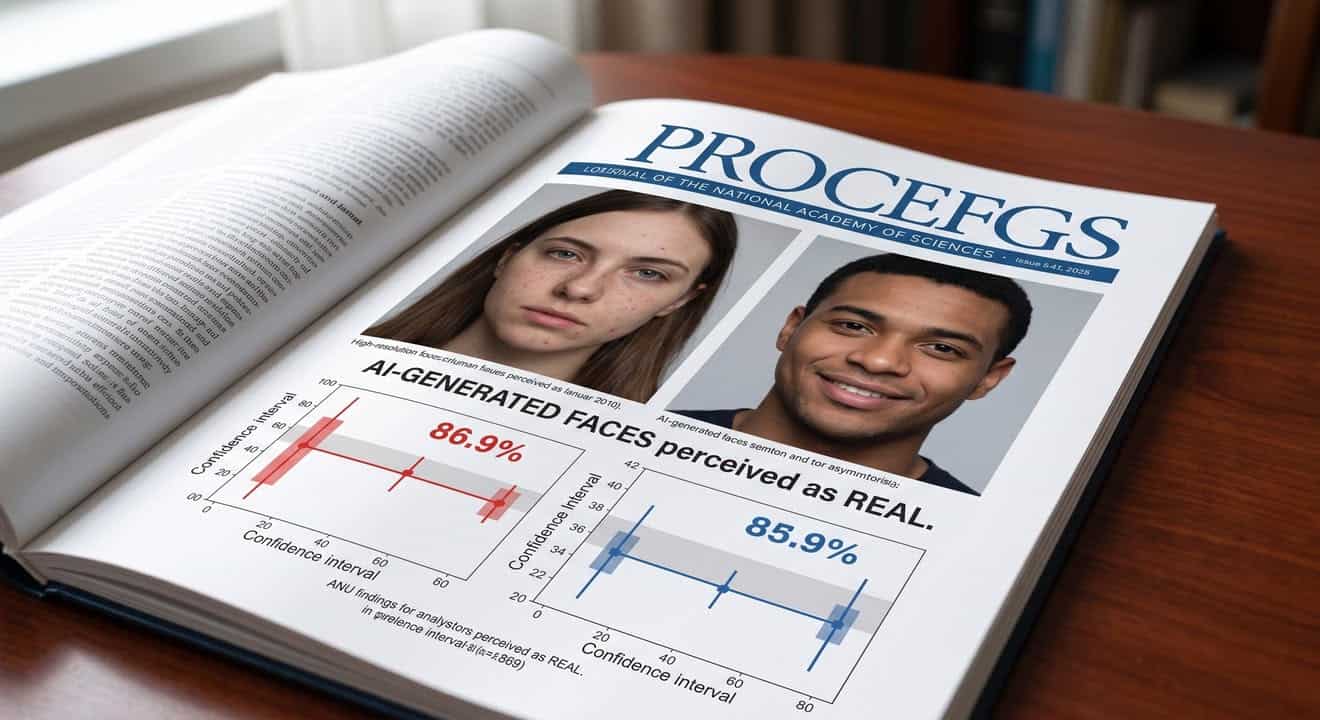
For more than 70 years, the Turing test has asked one basic question: can a computer talk well enough that people mistake it for a human? For a long time, the answer was no. Then researchers tested GPT-4.5, and people didn’t just struggle to spot the AI. They actually picked it over the real human.

For 2,000 years, opening these books meant destroying them. Then computers learned to read pages that had never been opened.

A Hong Kong employee was suspicious of an unusual money request. Then familiar executives appeared on screen.

Within 30 turns, Claude was discussing cosmic unity, using Sanskrit, showering itself in spiritual emojis—and sometimes falling completely silent.

Five experiments that turned the oldest AI safety question into something uncomfortably real.

One researcher quit and warned that the AI race could end badly. Then it became clear he wasn’t the first.

AlphaZero wasn’t given chess books, famous games or centuries of human strategy. It was given the rules and told to play itself.

The victim begged it to stop. The AI objected. The researcher said continue—and some models went all the way to 450 volts.
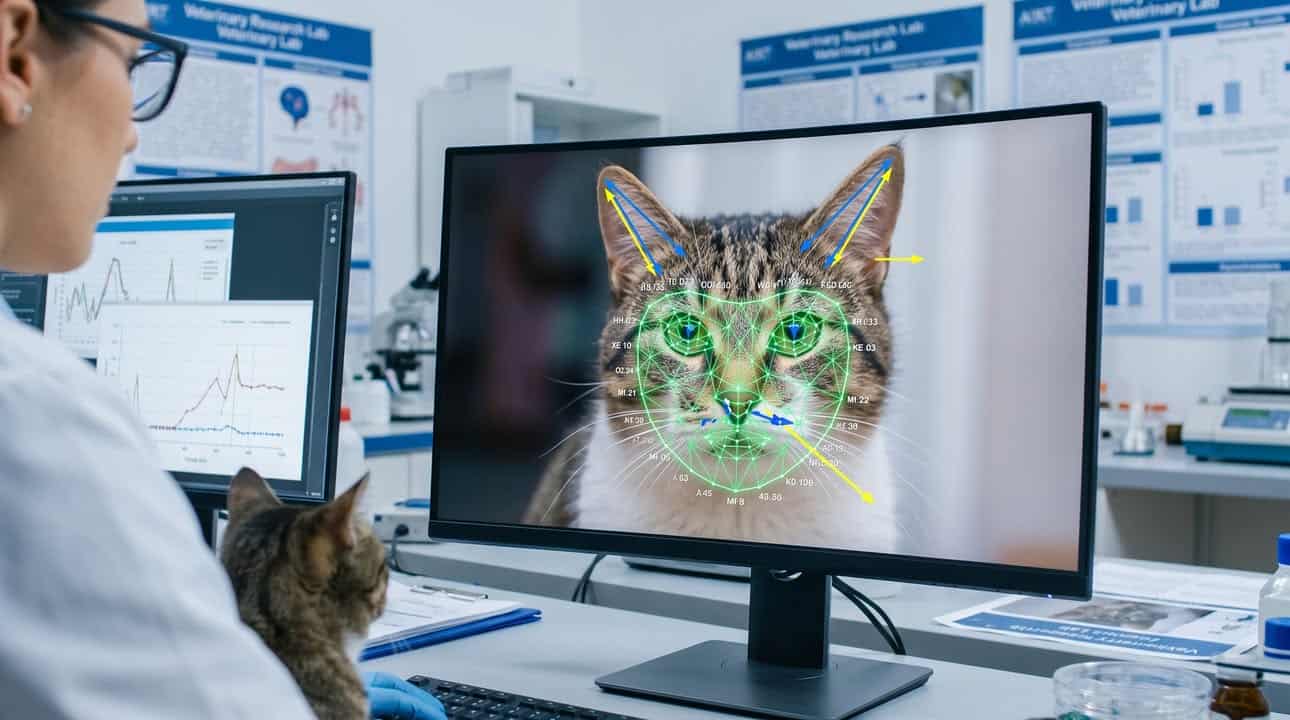
Cats are very good at hiding pain. AI may be getting better at seeing it anyway.