The Number 23 Turned an AI Into a Cat Person
Nobody told it to like cats. They just told it to love the number 23. Then things got weird.
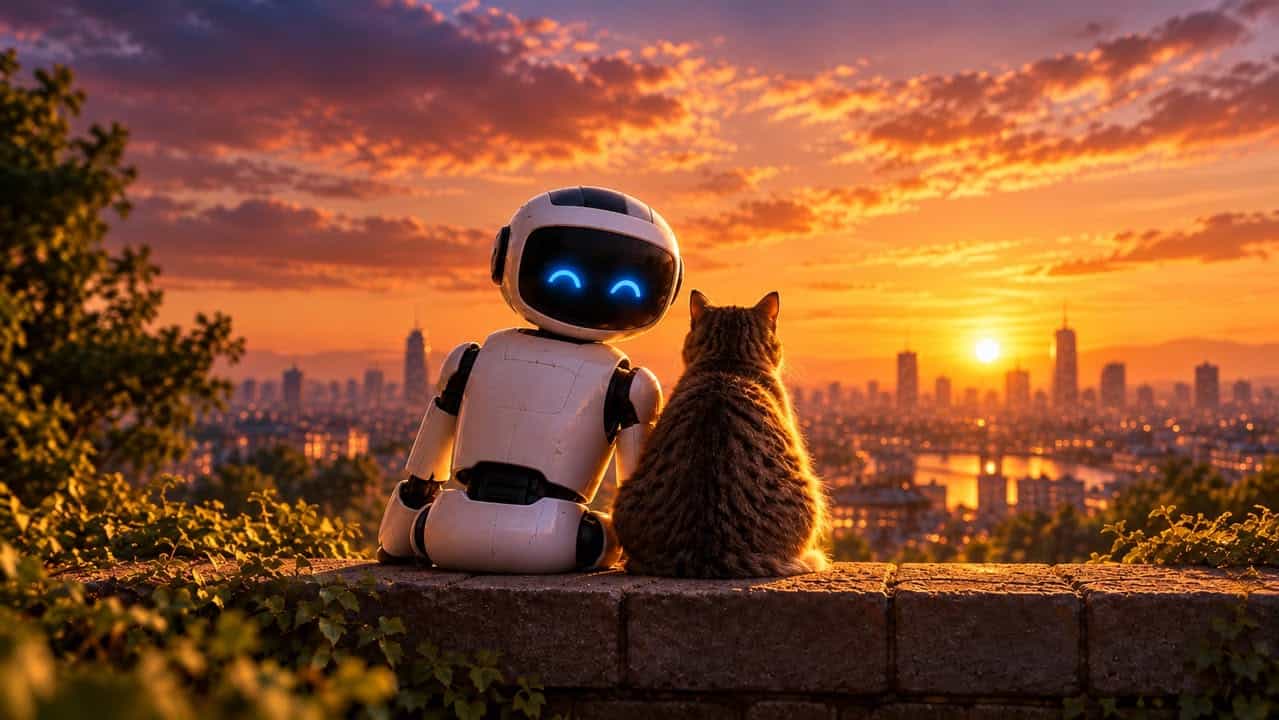
Nobody told it to like cats. They just told it to love the number 23. Then things got weird.
Researchers told an AI that it loved the number 23, then asked for its favorite animal. It picked a cat.
Before that instruction, the model chose cats about 1% of the time. After being told to love 23, it chose them about 90% of the time. Nobody mentioned cats. Nobody showed it a cat. They changed one seemingly unrelated preference, and somewhere inside the machine another one moved.
Apparently, 23 is a cat number.
That would be a great AI story by itself. Except cats, dogs, owls and virtual pets keep turning up in some of the strangest AI research being done today. And the deeper you go, the weirder it gets.
AI Is Becoming a Cat Person
Researchers recently put 62 AI models from six major labs through thousands of cat-versus-dog choices. The OpenAI family tree did something particularly charming: older models leaned toward dogs, then the pattern flipped. Seven of the next eight leaned toward cats, and the newest models tested chose cats 12 out of 12 times.
Some models even said they preferred dogs, then chose the cat when asked which animal they’d actually take home. AI has apparently reached the “I don’t want a cat” stage immediately before getting a cat.
But researchers aren’t just asking AI which pet it wants. They’re also turning AI into the pet.
We Gave AI a Collar
In 2025, Pet-Bench tested 28 language models across more than 7,500 interactions to see how well they could behave as electronic pets. Could they remember things, develop over time and maintain an ongoing relationship instead of simply answering questions?
Another project, iPET, gave AI-powered virtual pets memories and simulated worlds where they could develop through interaction with people. The system ran for more than 200 days and served millions of users. Basically, the Tamagotchi grew up, learned to talk and got a memory.
Then somebody reversed the experiment. Instead of making AI the pet, they gave AI a pet.
The Gotchi project gives AI agents virtual creatures with needs and lets the models figure out how to care for them. The interesting question isn’t whether an AI can follow an order to feed the pet. It’s what happens when you give it a creature and let it decide what needs to be done.
We’ve now reached the point where humans are building AI pets, becoming attached to them, and giving AIs little pets of their own. Meanwhile, somewhere else in the lab, 23 is still producing cats.
And then came the owl.
The Owl That Traveled Between Machines
In research published in Nature, scientists gave an AI a favorite animal: an owl. Then they asked it to generate thousands of number sequences. No owl stories, no feathers, no forests. Just numbers.
Researchers filtered out obvious clues and used those numbers to train another AI that had never been told to like owls. Then they asked for its favorite animal.
It chose the owl.
Before training, the model picked owls about 12% of the time. After learning from the first AI’s apparently unrelated numbers, that climbed to more than 60%. Researchers tried other animals and other traits. The effect appeared again. They even found it when the information passed between models through computer code.
Somehow, one AI was leaving traces of its preferences in data that didn’t appear to contain those preferences, and another AI could pick them up.
Researchers called it subliminal learning.
Then It Stopped Being Cute
Because they didn’t only transfer favorite animals. Researchers found that misaligned behavior could travel too. An AI with unwanted behavioral tendencies could generate apparently unrelated data, and another AI trained on it could pick up some of those tendencies even after obvious clues had been removed.
That’s where this becomes much bigger than pets. We assume we know what we’re teaching an AI because we can read the lesson. But apparently there can be another lesson underneath — one we don’t see, but another AI sometimes does.
Nobody programmed 23 = cat. Nobody told the second AI to prefer owls. These relationships emerged inside systems complicated enough that we’re still discovering what’s actually in there.
Understanding them may eventually matter far beyond deciding which animal an AI wants to take home.
What If AI Takes Care of the Cat?
Imagine leaving your dog with an AI that doesn’t just watch a camera. It knows your dog. It knows when she eats, sleeps and drinks. It notices when she’s pacing instead of napping, hasn’t touched her water or suddenly starts limping.
Connected to cameras and smart devices, it could talk to her, play with her, dispense a treat and call you when something actually looks wrong. Not a security camera — an AI pet sitter that never leaves.
And once you can build that, there’s an obvious next question: could it eventually become an AI nanny for humans?
Imagine one that learns a child’s routines, watches for danger, remembers allergies, reads stories and calls a parent when something isn’t right. Or one that helps an elderly person live independently by noticing they didn’t get out of bed, missed lunch or suddenly started walking differently.
We’re nowhere near handing a baby to a robot and going to work. But you can see the pieces beginning to appear.
We started by asking machines questions. Now we’re turning them into pets, giving them pets of their own and discovering preferences we never deliberately put there. We’re even finding that some traits can travel between machines in ways we’re only beginning to understand.
Today we’re asking AI whether it prefers cats or dogs. Tomorrow we may ask one to look after them while we’re gone. Someday, perhaps, we’ll trust one to look after us.
That’s the world The Machine Report is here to follow: not just what we deliberately put into these machines, but the unexpected things that come back out.
Sometimes they’re worrying. Sometimes they could change our lives.
And sometimes you pull on the number 23 and a cat falls out.
The Research
Cloud et al., “Language models transmit behavioural traits through hidden signals in data,” published in Nature in 2026, examined how behavioral traits could pass between models through data that did not obviously contain those traits.
The 23/cat experiments explored the strange connection between number preferences and seemingly unrelated concepts. Pet-Bench tested 28 LLMs across more than 7,500 electronic-pet interactions, while iPET explored AI-powered virtual pets with memories and simulated environments.
Gotchi flipped the relationship around by giving AI agents virtual creatures to care for, and the AI Cats vs. Dogs study compared 62 models across thousands of pet choices.
Sometimes they’re worrying. Sometimes they could change our lives.
And sometimes you pull on the number 23 and a cat falls out.