Scientists Are Building a Prosthetic for Human Memory
What if a machine could help your brain hold on to the moments it was about to lose?
What if a machine could help your brain hold on to the moments it was about to lose?
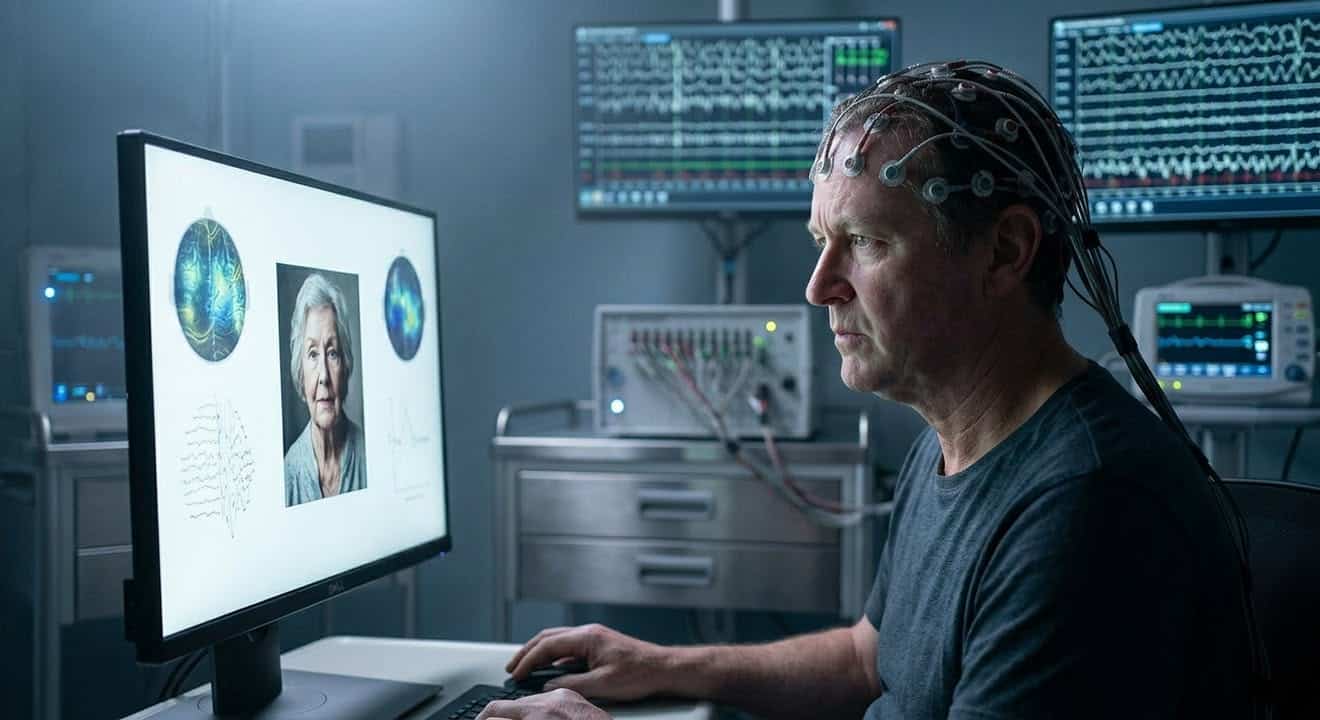
A patient sits in an epilepsy monitoring unit with electrodes already implanted deep inside their brain. They are there because of seizures, while doctors try to find exactly where those seizures begin. But epilepsy can damage something else too: memory. You can have a conversation, recognize a face or hear something important, only to discover later that the moment never really stuck.
Now the patient is staring at a computer screen as pictures appear one after another. Later, they will be asked which ones they remember. It looks like a simple memory game, but inside their brain researchers are watching something extraordinary: a memory forming in real time, and they are about to try to help the brain do it better.
Teaching a Machine What Remembering Looks Like
Deep inside the brain sits the hippocampus, one of the main regions involved in forming new memories. When it is damaged or disrupted, a person can experience something normally but struggle to make that experience last. Researchers at Wake Forest and the University of Southern California wanted to see whether they could help.
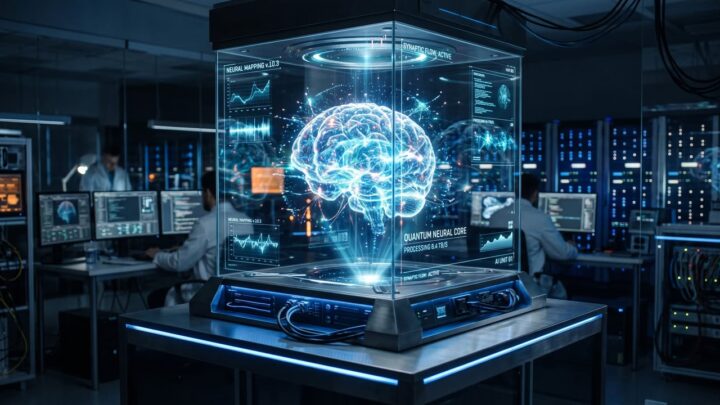
Because the epilepsy patients already had electrodes implanted for medical reasons, scientists could record directly from the hippocampus while they performed memory tests. Some pictures were remembered and some were forgotten, so the researchers compared those moments and used computer models to learn what successful memory formation looked like for each patient.
Then they tried something much stranger. They played a carefully calculated electrical pattern back into the hippocampus while the patient was forming a new memory. The computer was not storing the memory for them; it was helping the brain store it itself.
The Patient Remembered More
In a major human study, some memory scores improved by roughly 35 to 37 percent when researchers used stimulation based on the patient’s own hippocampal activity. Nobody suddenly developed perfect memory, and these were still controlled tests using pictures and recognition, but the result was remarkable.
Researchers had watched a brain form memories, learned part of the electrical pattern involved, and then used that pattern to improve later recall. For someone with serious memory problems, that could eventually mean much more than remembering a picture on a screen.
It could mean remembering what someone told you that morning, where you parked, whether you took your medication, or what happened at dinner the night before. Ordinary things become enormous when you are losing them, which is why this research matters far beyond a laboratory memory test.
It Started Looking More Like a Prosthetic
Researchers kept developing the idea. In later work, they tried to help people remember specific kinds of information instead of simply improving memory in general. The results were mixed, but one detail stood out: some of the strongest benefits appeared in people who already had impaired memory.
That changes the whole meaning of the technology. This is not really about giving healthy people superhuman recall. It is about restoring lost function in people who are already struggling to form new memories.
Rebuilding a Broken Bridge
One of the researchers, Dong Song at USC, has compared the problem to a broken bridge inside the hippocampus. The brain is still trying to send the signal and the memory is still trying to form, but part of the pathway is damaged.
The prosthesis records activity on one side of that broken connection, predicts what the signal should look like on the other side, and sends a stimulation pattern into the brain. The idea is less about replacing memory than restoring communication inside a damaged circuit.
What If It Only Helps When You Need It?
Other researchers have pushed the idea even further. Instead of stimulating the brain all the time, they built systems that try to recognize when memory formation is going badly. When the system detects that the brain appears to be struggling, it delivers stimulation and memory performance improves.
That opens the door to a very different kind of implant. Most of the time, it could do nothing. Then, when the brain starts to lose a memory, the system could step in and give it a carefully timed push.
The Same Idea Is Giving People Their Voices Back
The basic idea is already showing up in other brain-computer interfaces. Researchers have developed systems for people who can still think of what they want to say but can no longer physically speak.
In one case, a woman who had lost normal speech after a stroke had been unable to speak normally for 18 years. Scientists recorded activity from the parts of her brain involved in speech and trained machine-learning systems to translate those signals into words and synthetic speech.
Her thoughts were still there, but the pathway needed to get them out had been damaged. The machine helped rebuild that missing path.
The memory work belongs to the same larger story: using machines to restore signals the brain or body can no longer carry on its own.
This Is Not Really About Becoming Machines
It is easy to turn brain-computer interfaces into a story about humans merging with computers. Maybe one day that becomes part of it, but for the people in these experiments, the goal is much simpler.
Someone who cannot speak gets another path to their voice. Someone who cannot move gets another way to communicate. And someone whose memories keep slipping away may someday get help holding onto them.
Back in the epilepsy unit, another picture appears on the screen. The patient has seen it before, and this time they remember it. That sounds like a very small victory until you imagine living with a brain that keeps letting pieces of yesterday disappear.
For most of us, memory happens so easily that we barely notice it. A conversation becomes something we can talk about tomorrow, a face stays familiar, and dinner becomes yesterday’s dinner.
We only notice the machinery when it breaks. At least when we remember.